Home > Producer Profiles > Bordeaux Profiles > Chateau Figeac

Chateau Figeac

The origins of Chateau Figeac predate those of many other famous Bordeaux properties, illustrating how much earlier these regions of the right bank - around St Emilion and Libourne - were settled when compared to the left bank, which was mere marshland as recently as the 16th century. At Figeac there is evidence of inhabitation fourteen centuries earlier than this when a Gallo-Roman villa stood here, having been constructed by Figeacus, although historical documents outlawing the planting of new vineyards in the Roman Empire at the time mean it is unlikely that there was active viticulture associated with the villa. No strong trace of these buildings remains today, the site having been subject to much demolition and reconstruction over the intervening years, although some of the original drainage system still exists.

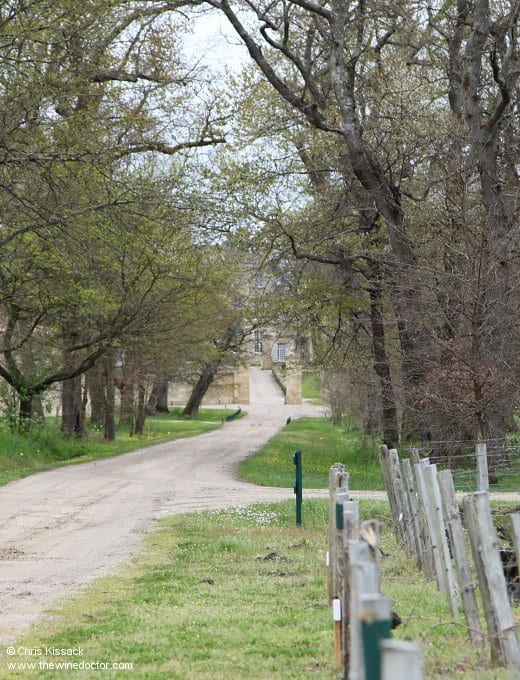
Further archaeological investigations have also revealed the existence of a medieval construction which is likely to have been erected by the Lescours family, who owned the rights to the seigneurie prior to this passing to the de Cazes family in the 15th century. This latter family were responsible for replacing the medieval edifice with a new chateau in the Renaissance style as the end of the 16th century approached, before the estate then passed into the hands of the influential de Carle family, when Marie de Cazes married one of their sons in 1654. These new owners were successful businesspeople with interests in banking, shipping and wine, and they were well connected, as evinced by one of the next generation, François IV de Carle, who had the regal sounding but ultimately rather dubious title of Perpetual Mayor of St Emilion bestowed upon him by King Louis XIV in 1694. It was the de Carle family, later known as Carle-Figeac and then Carle-Trajet, that replaced the Renaissance chateau with the impressive three-storey chateau that stands as Chateau Figeac today (as shown below), incorporating a great doorway and tower from the preceding edifice.

Figeac, A Divided Estate

FigeacThrough the early 19th century the vineyards were gradually carved up and portions sold off in order to meet the debts incurred by the then proprietor, the widowed Countess de Carle-Trajet. In the face of local economic decline and the effect of the Napoleonic Blockade, a trade dispute intended to destroy British commerce abroad, the Countess was still living a life of luxury. Her estate, an incredible 175 hectares at the dawn of the new century, was gradually whittled down; much of what was sold off was arable land and woodland, but there were also some prized vineyards with good, gravelly terroirs. Plots that were sold are today part of the Beauregard and La Conseillante estates, followed by a sizeable chunk which was purchased by the Ducasse family in 1832 and which formed the nucleus of what would eventually become Cheval Blanc. What remained in the hands of the countess was eventually sold lock, stock and barrel in 1838 to the Lebel family of Paris for 155 000 Francs, and then in 1842 to Gabriel Leveine. From Leveine the estate then came to the Fournier family, and subsequently to Henri de Chevremont in 1892. By this time the vineyards had been further dissected, two portions totalling 37 hectares, mostly vineyard, having been sold to a gentleman named Corbière. He retained half, the beginnings of Chateau La-Tour-Figeac, and sold half onto an associate called Marais, this section becoming La-Tour-du-Pin-Figeac, which has itself since been subdivided and now has two distinct owners. What was left was what we see at Figeac today, still despite all these resections - which have given rise to four neighbouring estates, including Cheval-Blanc, and contributed to two others - the largest estate in all St Emilion.

FigeacThe acquisition of Figeac by Henri de Chevremont and his daughter Henriette in 1892 promised to be the beginning of a much needed period of stability for the estate, but unfortunately it was not to be. Henriette married André Villepigue, a Parisian, and they became absentee landlords, the pair installing a local, Alfred Maquin, as a manager. Another false start came in 1905 when Henriette and André's own son Robert Villepigue took over, but again the necessary enthusiasm seemed to be lacking. Indeed, it was not until the estate eventually came to Robert's sister, Ada Elizabeth, who married Antoine Manoncourt, that there was finally some impetus for developing the estate. Having said that it was not until the next generation, Thierry Manoncourt, took control in 1947, later joined by his wife Marie-France, that the true potential of Figeac was to be realised. Today the estate remains in the hands of the same family and it is Thierry and Marie-France's daughter Laure and son-in-law Count Eric d'Aramon (right) who are in charge.

The Vineyards and Wines of Chateau Figeac

To understand the locale of Figeac, it is necessary to understand the different regions of the St Emilion appellation. Of all the premier grand cru classé estates most are located on the famous limestone côtes around St Emilion itself, with just two in the western part of the appellation named the Graves-St-Emilion, these two principal regions separated by a huge 1200-hectare swathe of sandy vineyards. The Gunzian graves de feu, the gravel after which Graves-St-Emilion in named, was borne here by the Isle and Dronne rivers and originates from the Quaternary period. The two estates located here sit on five mounds of gravel; two bear the vines of Cheval Blanc, the remaining three being entirely Figeac. These are as follows:

FigeacAlthough more gravel means better drainage, at Figeac the soil's capability is augmented with field drains. Beneath the gravelly soil there is clay and sand, but the gravel imparts, as is the case with Cheval-Blanc, a tendency to favour Cabernet over Merlot. The vineyard is planted to Cabernet Franc and Sauvignon (35% each) with the balance being Merlot, with the vines averaging about 35 years of age and sitting at a density of 6000 vines/ha. Evidence for this selection of varieties comes not from mere opinion, but from the work of Thierry Manoncourt who, for many decades, would bottle some of the Figeac wines unblended so that he could assess how wines from different grape varieties and different portions of the vineyard matured in bottle. Come harvest time the fruit is collected manually, pressed using hydraulic equipment, and vinified in the chai which includes both the original wooden and the new, stainless steel fermenters. The oak vats are open-topped, and the cap is submerged using a grid which pushes the floating matter below the surface of the wine. The grand vin, Chateau Figeac, then goes into new oak for up to 20 months, whereas second year barrels are used for the second wine, La Grange Neuve de Figeac. At the required time the wines are bottled on-site, being piped down to the bottling line in the underground cellar, excavated in 1971, by a gentle gravity-feed.

The wines of Chateau Figeac are frequently noteworthy, not least for their striking red and yellow label designed by Robert Villepigue in the early 20th century. But it is the wine inside the bottle that matters most, of course, and fortunately here it frequently meets with expectations. My tasting experience takes in a number of recent vintages, including some highly lauded dates such as 1998 and 1995, both very good right bank vintages. The wines are generally exceptional, but pleasure is not always guaranteed. It is the 2003 that has bothered me most, initially a seemingly over-worked, over-extracted wine that I thought lacked real quality. But then on retasting in 2006 I have seen a considerable improvement, certainly meriting a much more acceptable score, and showing really a rather good composition for a 2003. The Figeac style is not necessarily typical of the St Emilion appellation though, so those used to more open and voluptuous wines from the clay and limestone terroirs around the town might find these wines presenting unexpected textures and flavours. No doubt this is in part down to the gravel terroir, although I note that the wines are very different again from those of the other Graves-St-Emilion estate, Cheval-Blanc. Whatever the reason , the wines are certainly distinctive, vibrant and intrinsically of high quality. The 2008 is a case in point; it has a very different, bright, lifted, crystalline red-fruit character when compared with many other St Emilions of the same vintage, but it is no less admirable and delicious for that. In fact, it was one of my favourite wines of the primeur tastings in that vintage. (16/1/07, updated 26/3/08, 28/1/10)

Contact details:
Address: Chateau Figeac, 33330 St-Emilion
Telephone: +33 (0) 5 57 24 72 26
Fax +33 (0) 5 57 74 45 74
Internet: www.chateau-figeac.com

Chateau Figeac - Tasting Notes

Click to locate stockists.

2009

Chateau Figeac (St Emilion) 2009: The nose here is very fresh, deep and characterful. Quite a cool style on the start of the palate, rather stony-fresh texture, with well controlled moderate substance. An appealing tannic core, good acids, plenty of grip. Seems quite appropriate, with lovely bright red-black fruit. Elegant and understated, with a very fine balance of components. An impressive wine, although with its definition and elegance in amongst all these rich Merlot-heavy wines from its neighbours it seems more 'left bank' than ever in this vintage, reflecting its gravelly terroir and Cabernet-dominated blend (the vineyard is 35% each Franc and Sauvignon, 30% Merlot and the wine is usually similar). Very fine indeed though. From my 2009 Bordeaux primeur assessment. 17.5-18.5+/20 (March 2010)

2008

Chateau Figeac (St Emilion) 2008: A beautiful purity of fruit is immediately apparent here, dark fruits, but bright and crystalline in character. There are redder elements too; this is very stylish. Very elegant on the palate, fresh with pure red and black berry fruits. Broad, defined, with a sweet character at the core, and firm and ripe tannins. A fine acidity provides definition. This has wonderful style and is clearly a success with great potential. From my 2008 Bordeaux primeur assessment. 17.5-18.5+/20 (April 2009)

2007

Chateau Figeac (St Emilion) 2007: Fresh, with red fruits, this has a little smoky character on the nose. A rather reserved palate, some flesh, nicely broad although elegant on the palate, with a good texture. Firm structure underneath it all though, rather gravelly which is interesting, supple, but with a big tannic finish which is a touch surprising for the vintage. It has the fruit and substance though. Could be very good. From a tasting of 2007 Bordeaux at two years of age. 16+/20 (October 2009)

Chateau Figeac (St Emilion) 2007: There is immediately apparent fruit complexity here, with a nose that shows plenty of deeply piled fruit which has a slightly gamey, slightly savage quality. Then it transforms on the palate, displaying here a serene and creamy elegance, although beneath there lies a brooding depth and structure. This is sweet and sappy, with a lovely backbone of ripe tannins which are well covered by the fruit at present. Really, a very good wine indeed. From my 2007 Bordeaux en primeur assessment. 16.5-17.5+/20 (April 2008)

2006

Chateau Figeac (St Emilion) 2006: Lots of fruit on the nose here, with a deep and exotic character, with hints of spiced plums. A very appealing palate, supple and elegant, reflecting the more gravelly terroir at this end of the appellation perhaps. But there is substance too, and a good, firm, tannic backbone. I think this has a fine, classic composition and is one that will do well in the cellar. From a tasting of 2006 St Emilion & Pomerol. 17.5+/20 (October 2008)

Chateau Figeac (St Emilion) 2006: A really impressive nose here, quite explosive, full of fruit, clearly very different to some of the other wines from St Emilion tasted here. A nice style on the palate, quite composed, although a little lean on entry. A fleshy midpalate, nicely covering the ripe tannins at the core. Sweet, stony fruit and firm acidity. This is really very good. From my 2006 Bordeaux assessment. 16.5-17.5/20 (April 2007)

2005

Chateau Figeac (St Emilion) 2005: Deep, dense, finely layered fruit on the nose, which is rather sweet and ripe at the core. The palate presents itself in a very straightforward fashion at present, but in a ripe, structured and balanced fashion. There is a firm seam of tannin with a good acid backbone, but not a complex composition. It is all nicely put together though, the tannins are well covered, and this is clearly a very primary phase. Excellent potential for the future though. From my tasting of 2005 Bordeaux at two years of age. 17.5-18+/20 (October 2007)

2004

Chateau Figeac (St Emilion) 2004: This has a really appealing nose today, with perfumed and stony fruit, with a little trace of spiced meat stock alongside. The palate is quite gentle compared to some of its peers, with slightly roasted fruit laid over gritty, elegant tannins and a firm acid backbone. This is sinewy rather than fleshy, but certainly not lean. It needs a lot of time, but could be excellent in due course. From a 2004 Bordeaux tasting at four years of age. 17.5+/20 (November 2008)

Chateau Figeac (St Emilion) 2004: A nice glossy hue here, not overly dense. The nose is good, showing some exotic spiced plum and berry fruit, and a good fruit complexity. A lovely texture on the palate, soft and rounded, not over-extracted, showing a very complete and harmonious composition. The tannins just poke out a little at the finish. Good acid backbone. Vibrant style. Very good indeed. 17+/20 (February 2008)

Chateau Figeac (St Emilion) 2004: A darker, more brooding nose here. Perfumed, but with dark, slightly confit fruit. Nutty oak. Attractive presence on the palate, svelte yet reserved, velvety tannins through the midpalate, overall a firm, appealing although masculine style. Good, grippy finish. Very good indeed. From my Bordeaux 2004 assessment. 17+/20 (October 2006)

2003

Chateau Figeac (St Emilion) 2003: I didn't rate this last time, but now I find some appeal here. The nose is exotic as are many of this vintage, but not over the top, the confit fruit blended with more characterful, meaty notes. The same exotic cherry on the palate, a very primary and simple fruit profile, with a full and creamy texture. The acidity is fair, and there are a lot of tannins swimming about here, but overall it has a much better presence on the palate than in October 2005. Very good. 16.5+/20 (November 2006)

Chateau Figeac (St Emilion) 2003: A lifted, smoky, black fruit nose here, tinged with liquorice. Restrained style on the palate, showing a creamy edge, but becoming rather attenuated through the midpalate. Over-extracted? The grippy tannins sit uneasily with the texture of the wine. From my Bordeaux 2003 assessment. 14.5/20 (October 2005)

2001

Chateau Figeac (St Emilion) 2001: This has quite simply a gorgeous nose, a really fine character, exotic notes of plum, charcoal and minerals. This fine character is matched by a silky composition on the palate, elegant and covering a good structure underneath. Broad and stylish, well integrated, and brimming with potential. Excellent style. 17.5+/20 (February 2008)

Chateau Figeac (St Emilion) 2001: Really very seductive nose here, showing some dark red fruit aromas with a deep concentration, almost svelte in character if that is possible, with a gorgeous cashew nut note. Fresh and incisive on the palate, but with a lot of presence, full and supply rounded, with a creamy style. There is a good firm tannic backbone and some attractively complex meaty character. Really great potential. 17+/20 (November 2006)

2000

Chateau Figeac (St Emilion) 2000: A very elegant nose, curranty, defined, stylish and rich, with a beautiful smoky, green peppercorn element to it alongside the crunchy dark fruit. The palate is surprisingly stark in terms of texture, not fleshy, but certainly full of character backed up by an appealing structure. Attractive iron and bloody meat flavours. This wine, although still showing a lot of structure, with good grip in the finish, already exhibits some very appealing and mature aromatic qualities, but there is more elegance and harmony due on the palate I think. The wise will leave this alone for a while yet...although it certainly gives pleasure now. An interloper in a Bordeaux 2005 tasting. 17.5+/20 (November 2009)

1998

Chateau Figeac (St Emilion) 1998: Situated on gravel close to Pomerol, hence an encépagement different to the other estates; Merlot 30%, Cabernet Franc 35%, Cabernet Sauvignon 35%. Lower yields this year, 31 hl/ha. A fairly dense colour here. A superbly full nose. Dark roasted plums, and a fabulous perfume. Some oak too. Elegance and style are plainly evident on the palate. There is not quite the plumpness and the velvet texture of the other wines - because the blend here is heavy on Cabernet Franc and Sauvignon, with less Merlot, I suspect. But there is body, balanced tannin and acids, and good concentration. Black fruits and a violet perfume. And a good length. One of the best wines here. From a tasting of 1998 St Emilion. 18+/20 (May 2004)

1995

Chateau Figeac (St Emilion) 1995: A really nice nose here, displaying some almondy, nutty complexity. A fine impact on the palate, showing a very rounded and complete structure with a backbone of fine tannins and ample acidity. A stylishly composed wine, quite firmly held together, rounding out really well on the finish, with attractive red fruit flavours. This is excellent. 17.5/20 (November 2006)

1988

Chateau Figeac (St Emilion) 1988: A Premier Grand Cru Classé. A moderate depth of colour here. A lovely nose, with maturing Merlot fruit giving meaty, spicy, fruit cake aromas. There are notes of minerals and stones also. A beautiful palate, structured and powerful, with a fine balance of tannins, acidity and fruit. Such purity too. From a 1988 Bordeaux tasting. 18.5+/20 (March 2004)